We encourage landowners to plant native species of trees and other vegetation.
Planting native species helps to re-establish ecosystems that existed before the development of the land (in our case, we are deciduous mixed forests, or Carolinian species). Pockets of native habitats in urban areas, and increasing areas of natural areas in rural West Perth provide natural links for species across the landscape.
Native species are specifically adapted to our region's weather and climate patterns, meaning they require less water and fertilizer than non-native species and have a higher survival rate during periods of drought or extremely harsh winters. Native species are also more resistant to pests and fungal infections, as they will be heartier than non-native species.
SO.... What should you plant?
- Acer x freemanii (Freemans Maple)
- Acer nigrum ‘Green Column’ (Green Column Black Maple)
- Acer rubrum (Red Maple)
- Acer saccharum (Sugar Maple)
- Amelanchier canadensis Std. (Serviceberry Tree)
- Celtis occidentalis (Hackberry)
- Cornus racemosa Std. (Gray Dogwood Tree)
- Cherry Sp. (Pin Cherry and Chokecherry)
- Cornus alternifolia (Alternate Leafed Dogwood)
- Cercis canadensis (Eastern Redbud)
- Gymnoclaudus dioicus (Kentucky Coffee Tree)
- Hamamelis virginiana (Witch-hazel)
- Liriodendrop tulipifera (Tulip Tree)
- Picea glauca (White Spruce)
- Pinus strobus (Eastern White Pine)
- Platanus occidentalis (Sycamore)
- Thuga occidentalis (Eastern White Cedar)
- Tilia Americana (Basswood)
- Quercus macrocapia (Bur Oak)
- Quercus rubra (Red Oak)
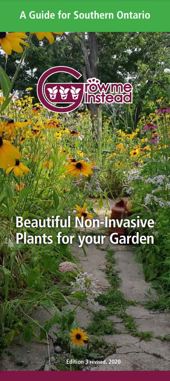
For information on shrub and groundcover/garden plants, check out the Grow Me Instead Guide from the Ontario Invasive Plant Council.